
Building the Grid
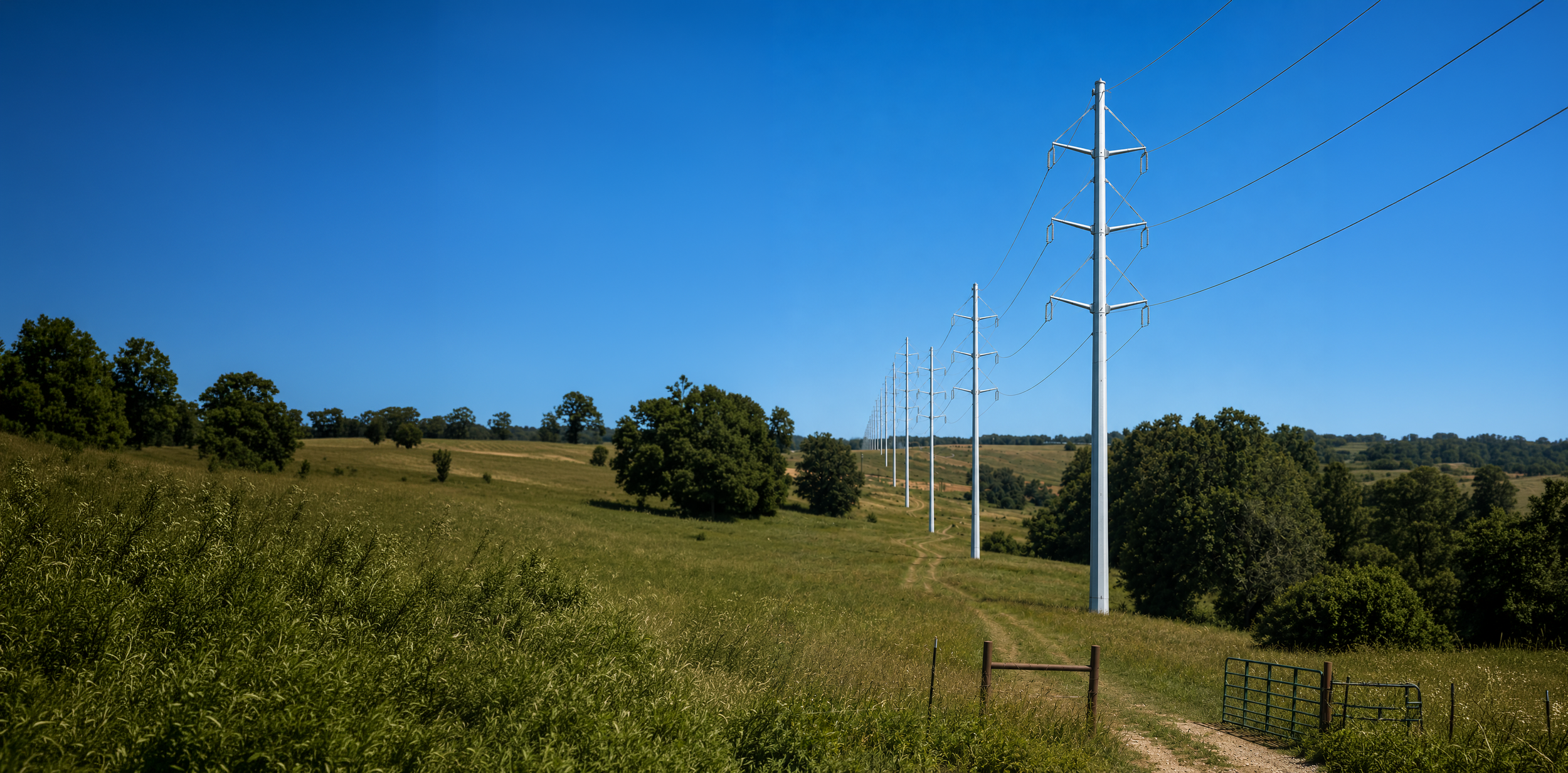
Why investing in our transmission system today strengthens our communities for tomorrow

By Troy Scarbrough Chief Operations Officer - Grid Operations
Most members don’t spend much time thinking about the electric transmission system — and that’s exactly the way it should be.
Every time you flip a switch, electricity has already traveled across an extensive network of transmission lines, substations and distribution equipment before reaching your home or business. When that system is planned well and maintained properly, it quietly does its job every hour of every day.
As chief operations officer, one of my responsibilities is making sure our electric system is prepared not only for todayʼs needs, but for the communities Northwest Arkansas and Northeastern Oklahoma will become over the next 20, 30 and even 40 years. We study growth patterns, identify future demands and make strategic investments long before additional capacity is needed.
Many of those investments are happening now with our transmission system. Ozarks Electric is making some of the cooperative’s most significant transmission improvements in decades — not because our system is falling behind, but because thoughtful planning allows us to stay ahead. These projects are designed to strengthen reliability, create more pathways for delivering electricity and support continued growth.
They also represent one of several important strategies we’re pursuing to help manage future costs in an environment where power supply, infrastructure, construction materials and virtually every aspect of our industry continues to become more expensive.
While no single investment determines future electric rates, thoughtful transmission planning helps us make smarter long-term decisions, improve operational flexibility and maximize the long-term value of the infrastructure our members already own.
Strong infrastructure today helps support reliable service and greater financial stability tomorrow.
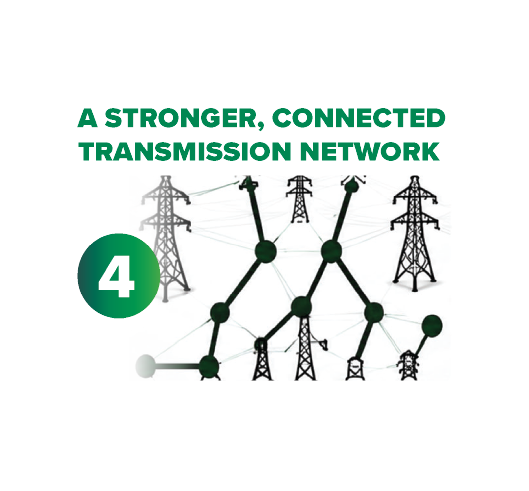
Transmission is often compared to a highway system because electricity, like traffic, needs multiple routes to move efficiently. The illustrations on these pages show how additional transmission connections create a stronger, more resilient electric grid that better serves our members today and prepares us for tomorrow.
Behind every transmission improvement are engineers, system operators, relay technicians, construction crews and lineworkers working together to coordinate projects that most members will never notice but benefit from every day. Together, these efforts help keep power flowing during maintenance, severe weather and periods of peak demand while supporting the continued growth of our region.
These projects also reflect our commitment to responsible stewardship. As a locally governed cooperative, every investment begins with one simple question:
“How does this create lasting value for the members who own this cooperative?”
That question guides every engineering study, every capital project and every long-range planning decision we make.
As you begin seeing more transmission construction across our service territory over the coming years, I encourage you to view these projects as more than construction. They reflect thoughtful planning, responsible stewardship and a cooperative making strategic investments designed to strengthen reliability, support growth and help maintain affordable electric service for generations to come. ■
The Electric Grid is the Road Network for Electricity
The transmission grid has multiple paths to move power from where it’s generated to where it’s needed
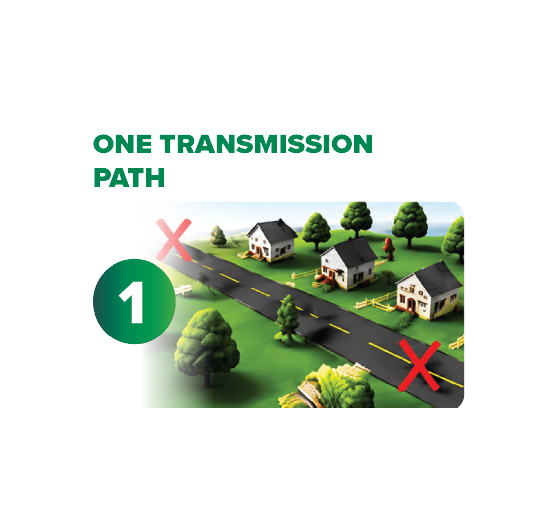
Road
If the only road or bridge is closed, no one gets through.
Electric grid
If electricity has only one path, an equipment failure can interrupt service to everyone downstream.
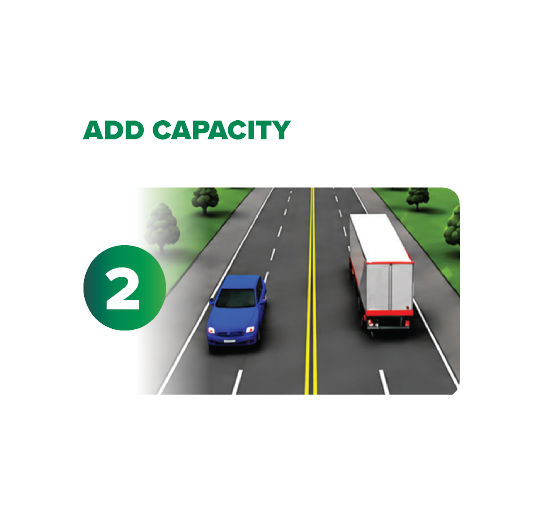
Road
Wider roads and better interchanges reduce congestion and keep traffic moving.
Electric grid
Upgrading substations and equipment increases the amount of electricity our system can carry.
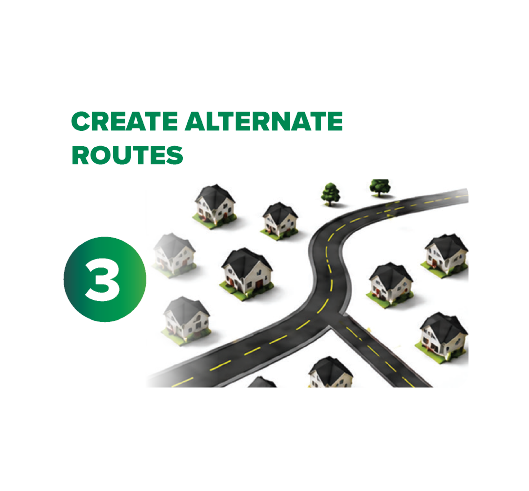
Road
Drivers have alternate routes when thereʼs an accident or construction ahead.
Electric grid
Additional transmission connections create alternate paths so power can flow in more than one direction.
Road
One accident doesnʼt stop the whole city — traffic keeps moving.
Electric grid
If one part of the system has an issue, power can often be rerouted so fewer members lose service.
Ozarks Electric's Transmission Modernization Roadmap
Investing today for reliability, growth and long-term value

2025–2026
PLANNING & ENGINEERING
Laying the foundation through comprehensive planning and analysis.
2027–2030
SYSTEM MODERNIZATION
Modernizing critical infrastructure to strengthen reliability and reduce outage impact.

2030–2033
GRID OPTIMIZATION
Optimizing the grid for greater flexibility, efficiency and
operational performance.

2033 AND BEYOND
REGIONAL INTEGRATION & LONG-TERM VALUE
Delivering lasting value for our members and a stronger, more affordable future.
What You’ll See in Our Communities

STEEL TRANSMISSION STRUCTURES
Stronger, more durable structures support increased capacity and improved reliability.
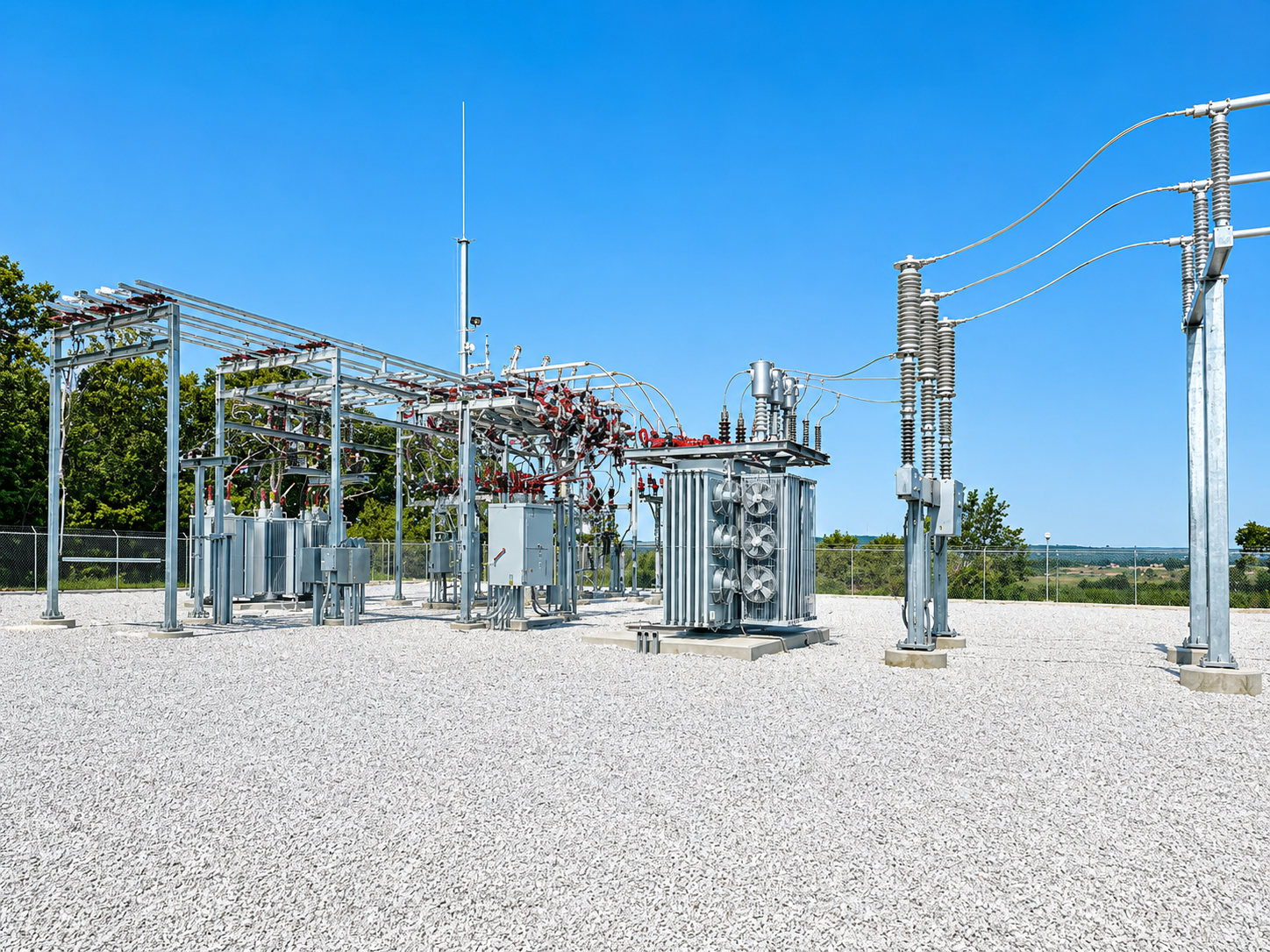
EXPANDED SUBSTATIONS
Upgrades and expansions help manage growth and improve system flexibility and protection.
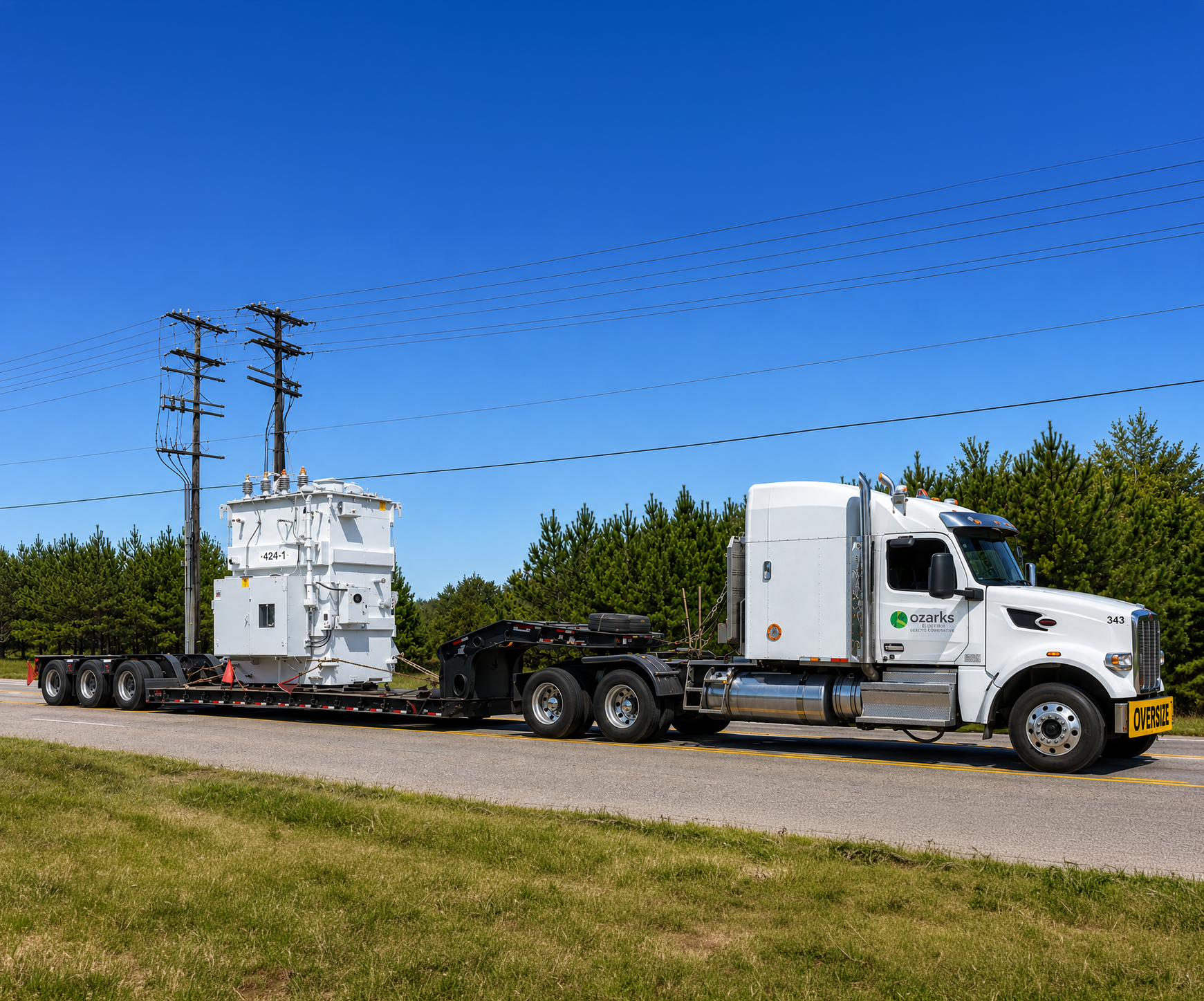
NEW TRANSMISSION CONNECTIONS
Additional lines create alternate routes and reduce the impact of outages and congestion.
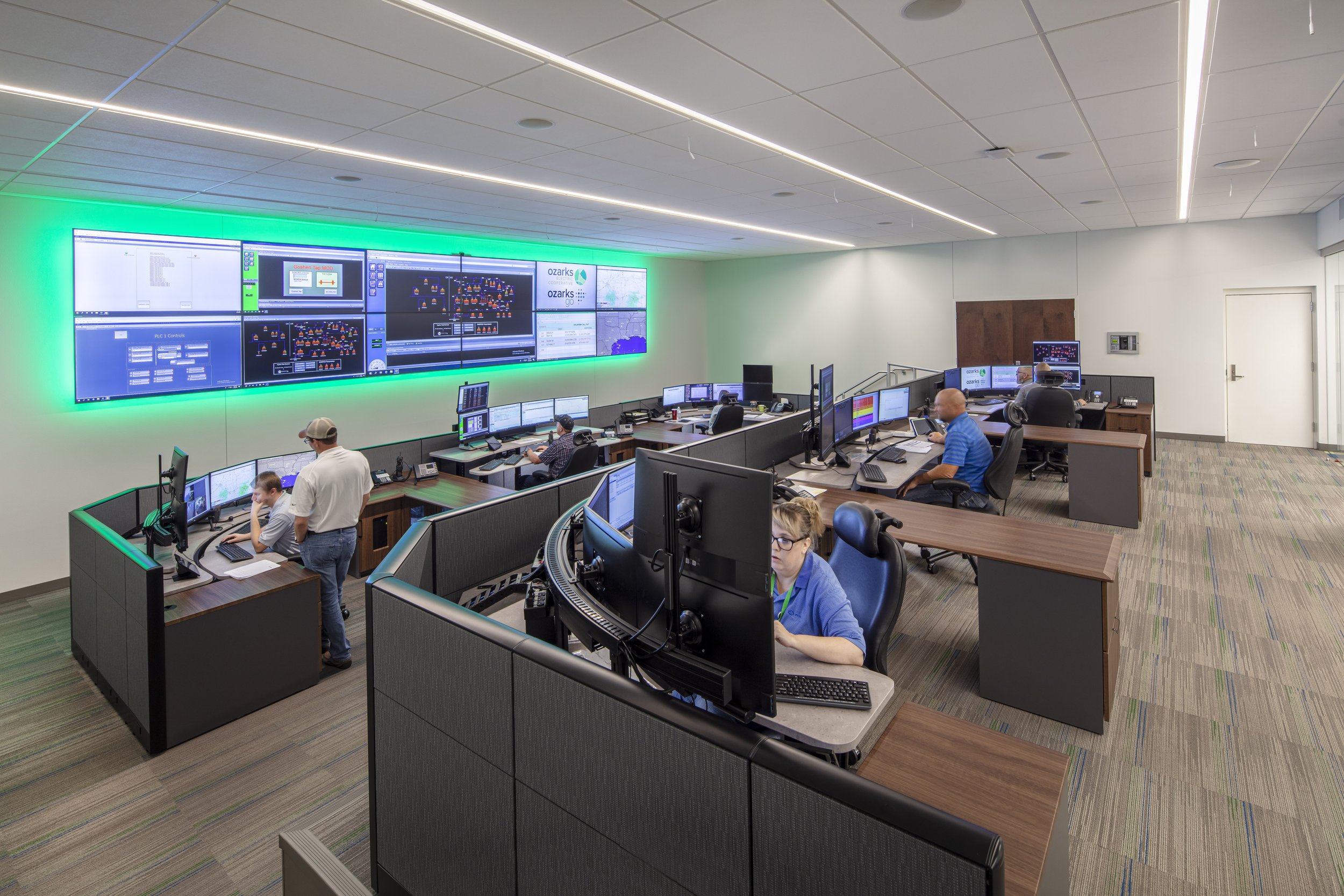
MODERN EQUIPMENT AND AUTOMATION
Advanced technology enhances monitoring, speed controls and overall system performance.
“Ozarks Electric has consistently demonstrated a thoughtful, forward-looking approach to transmission planning, reliability and regional coordination within SPP.”
Don Martin,
Manager of Stakeholder Relations | Southwest Power Pool (SPP)
Most members are familiar with the local electric distribution system — the poles, wires, substations and crews that deliver electricity directly to homes and businesses. Behind that local system is a much larger regional transmission network that moves electricity across multiple states and utility systems.
In our area, that regional transmission network is coordinated by the Southwest Power Pool (SPP), which helps manage reliability, transmission operations and long-term planning throughout the region. In many ways, SPP functions like air traffic control for the electric grid — helping ensure electricity moves safely, reliably and efficiently where itʼs needed.
What This Means for You
More options to keep power flowing
Improved outage restoration
Capacity for future growth
Better long-term value for members