
See You at the Game
Friday nights bring generations together under the lights
By Amy Merck, Editor
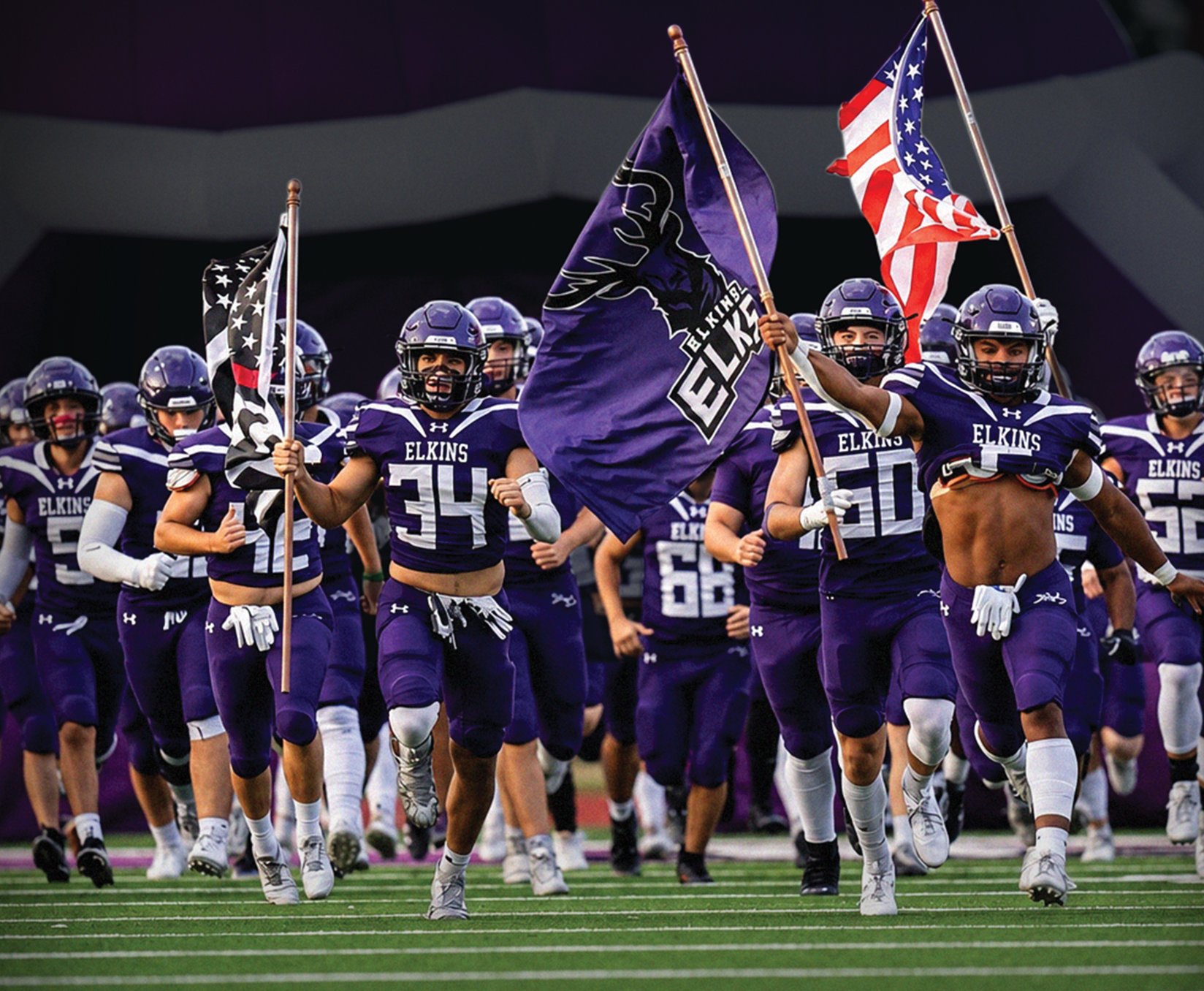
The Elkins Elks take the field at John Bunch Jr. Memorial Field. (Photo by Keith Cazer).
When fall comes to town, the Ozarks return to a familiar rhythm.
School has started, the daylight is shrinking and summer nights are swapped for school activities. After spending weekdays driving to neighboring towns for work and chasing errands, Friday nights draw people back home.
When a neighbor says, “see you at the game,” everyone knows what they mean.
Friday night football.
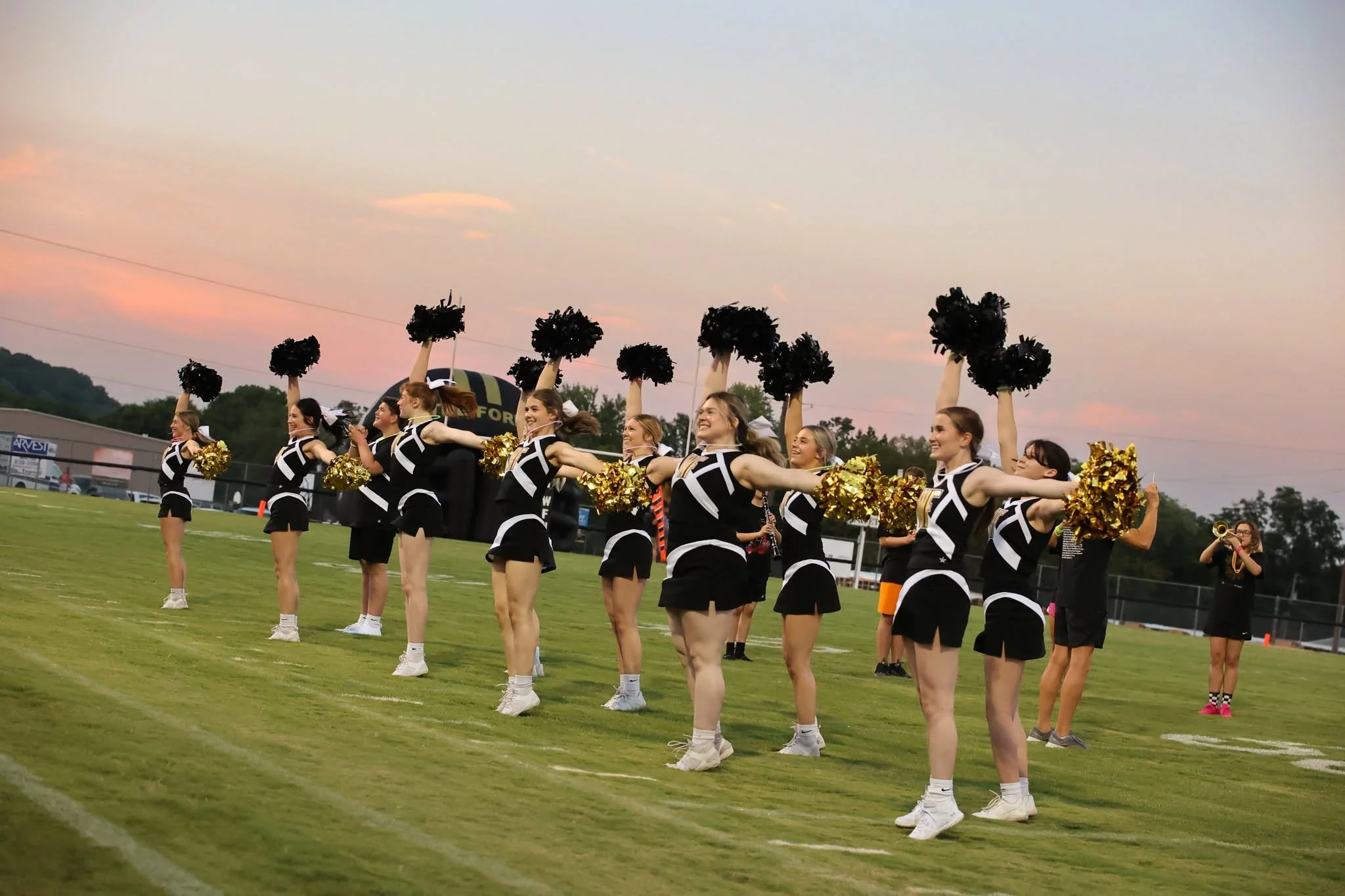
Different towns. Different teams. Different times. But the rituals of Friday night stay the same. The referee’s whistle, the roar of the crowd, chants from the cheerleaders. Punchy notes of the school fight song. The game isn’t the only thing happening under the stadium lights. For many, Friday nights are as much about the people in the stands as the players on the field.
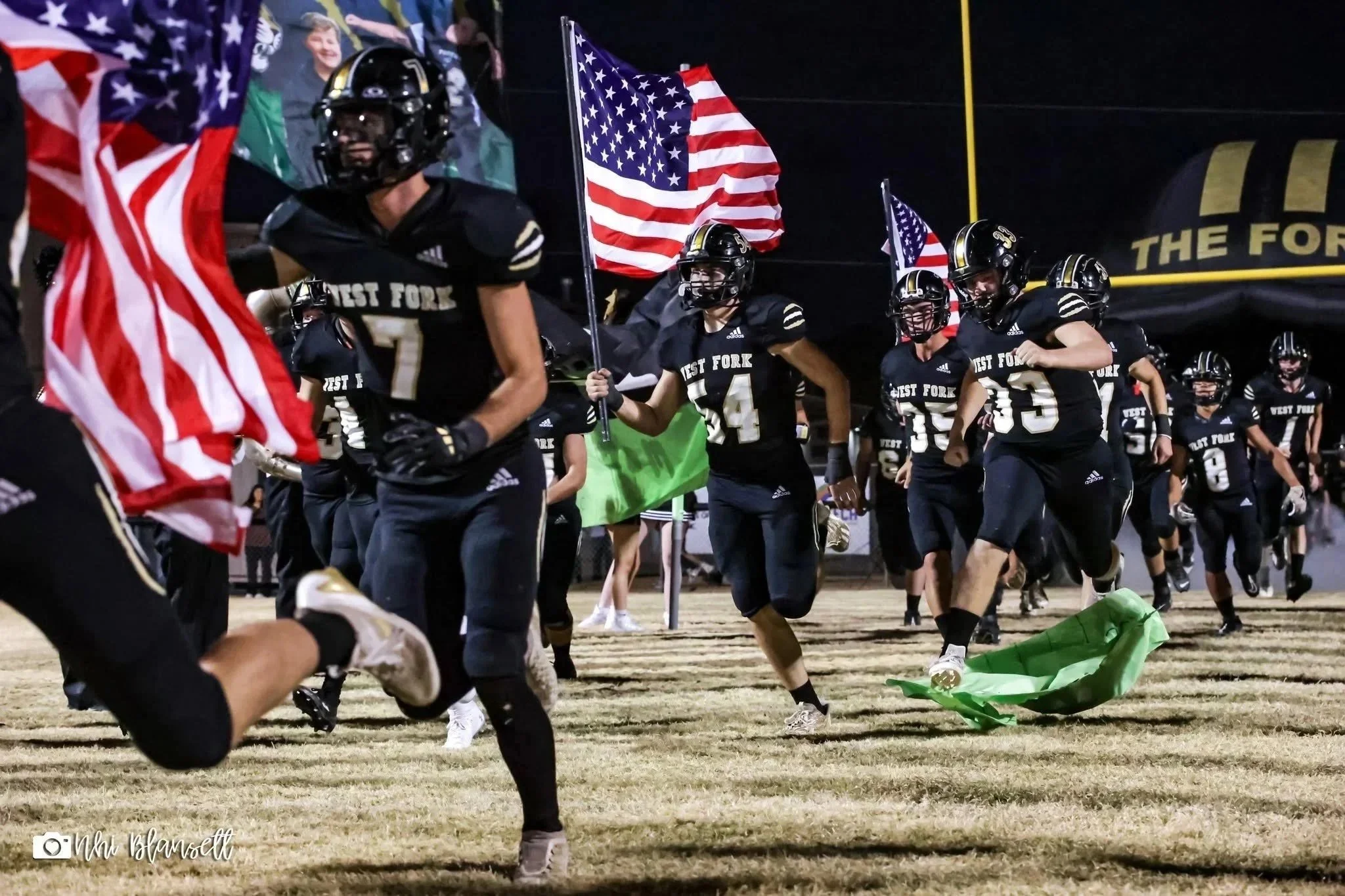
“You get to see people that you might not see during the week,” said Rodney Selph, who was the West Fork High School head football coach from 2008 to 2012, then again from 2022 to 2024. “They might work in Fayetteville or somewhere and then on Friday nights, you get together and watch the Tigers play football.”
Selph’s family has a long history with West Fork football. His father, John Gail Selph, was the head coach from 1977 to 1982 before later becoming principal and superintendent. His mother, Pat Selph, was a longtime teacher and cheerleading coach.
“When you coach, you don’t really hear the band or the fans because you’re focused on the game itself,” Selph said. “Now I get to see how excited our fans get and see how our band and our cheerleaders engage them. They work hard, and Fridays are their night, as well.”
‛It’s about the people. Grandparents will be there, and aunts and uncles are there. Everybody comes out to watch the kids play.’
Beverly Mabry
Retired Elkins teacher
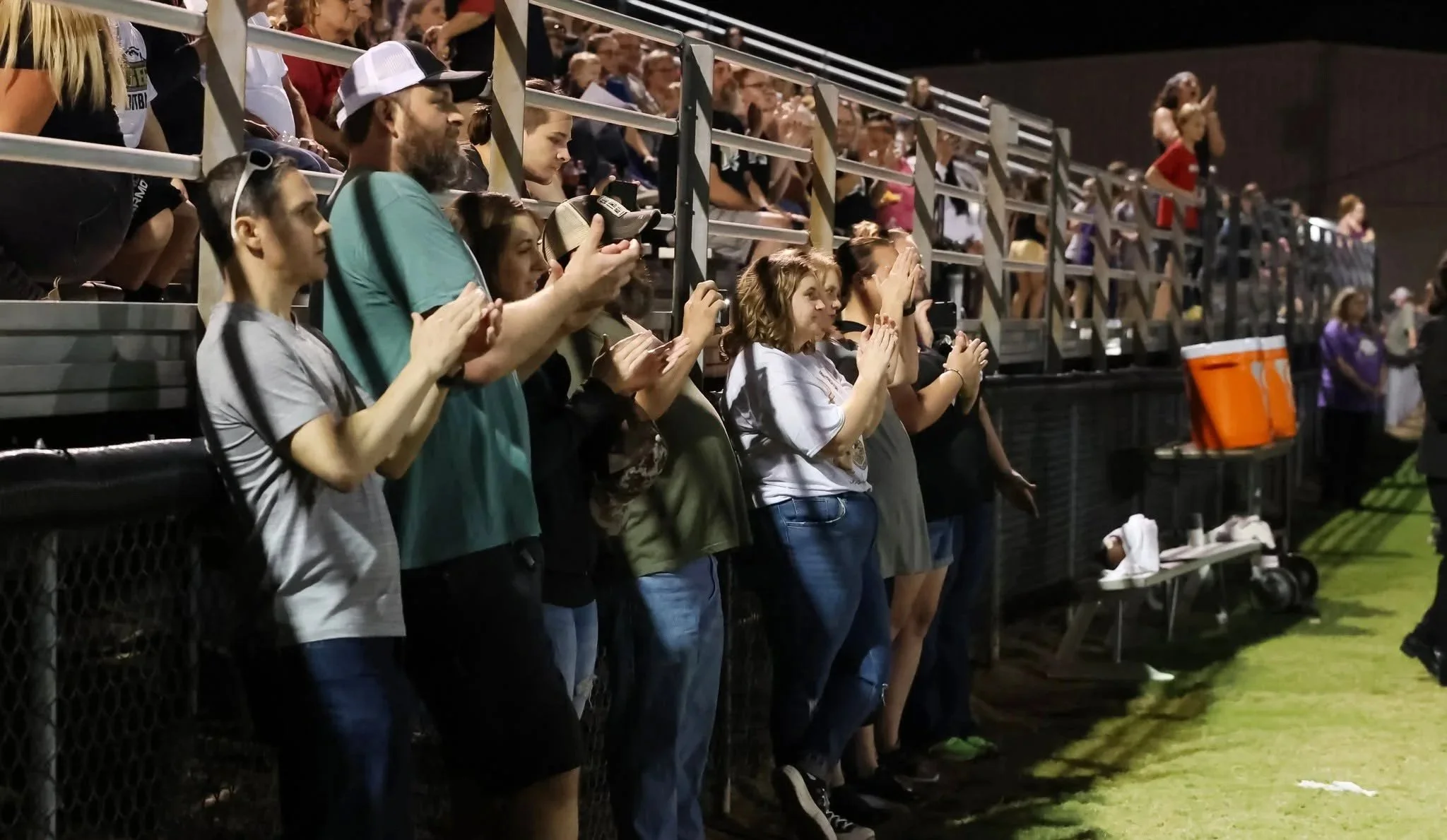
Months of practices build toward just a handful of home games each fall. The same men leaning against the fence. Little kids mimicking the cheerleaders or playing their own football game behind the bleachers. Those traditions are as much a part of Friday nights as the game itself, Selph said.
Friday night football belongs to communities of every size, but in towns with one high school and generations of families who have worn the same colors, the line between school and community can be especially hard to see.
“It’s not anything probably different than anywhere else,” he said. “It’s our hometown. It’s West Fork. So to us, it’s special. It always will be.” And that doesn’t depend on the team’s record. “West Fork has had some really good years, and we’ve had some not-so-good years,” Selph said. “But the fans are always out supporting the team, no matter what.”
Tradition Takes Root
Winning does help, to be sure.
When Mark Johnson quarterbacked the Elkins High School team that came to be known as the Dirty Dozen in the mid-1970s, it wasn’t yet a football town.
“A lot of people didn’t come because they thought we’d lose,” Johnson said.
That changed in 1974, when running back John Bunch Jr. rushed for 608 yards in a game against Winslow, setting a national record that lasted for 20 years and remains the Arkansas state record. Soon, the bleachers weren’t big enough. Fans stood with players on the sidelines to watch the Elks, and a football tradition took root.
Today, the Elks play at John Bunch Jr. Memorial Field, which opened in 2018 and has plenty of room for fans. Bunch’s No. 20 jersey is the only one ever retired at Elkins. He died of cancer in 1984.
In 2025, the Elkins Elks won their first state championship. While the people on the sidelines have changed, the support hasn’t.
Retired teacher Beverly Mabry taught three generations of students and coached cross country and track at Elkins. She said the draw of Friday nights has always been about more than football.
“It’s about the people,” she said. “Grandparents will be there, and aunts and uncles are there. Everybody comes out to watch the kids.”
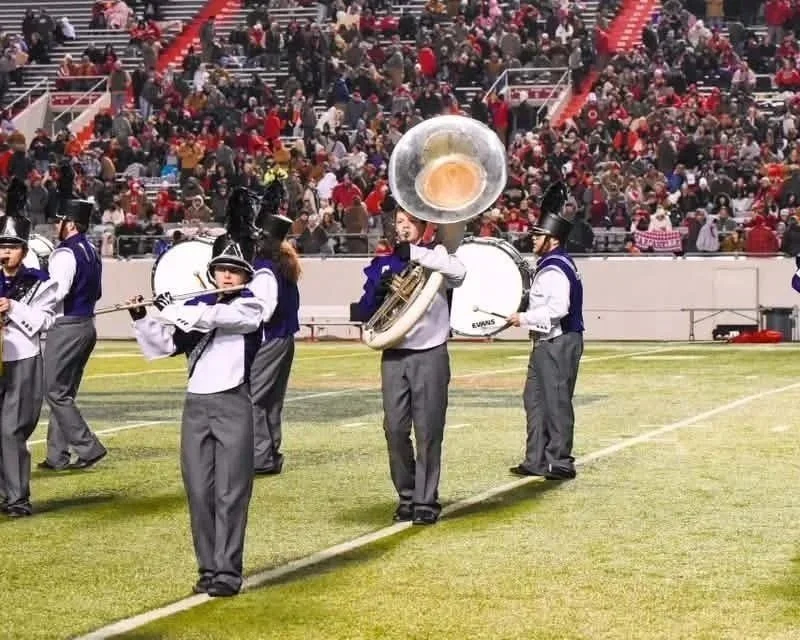
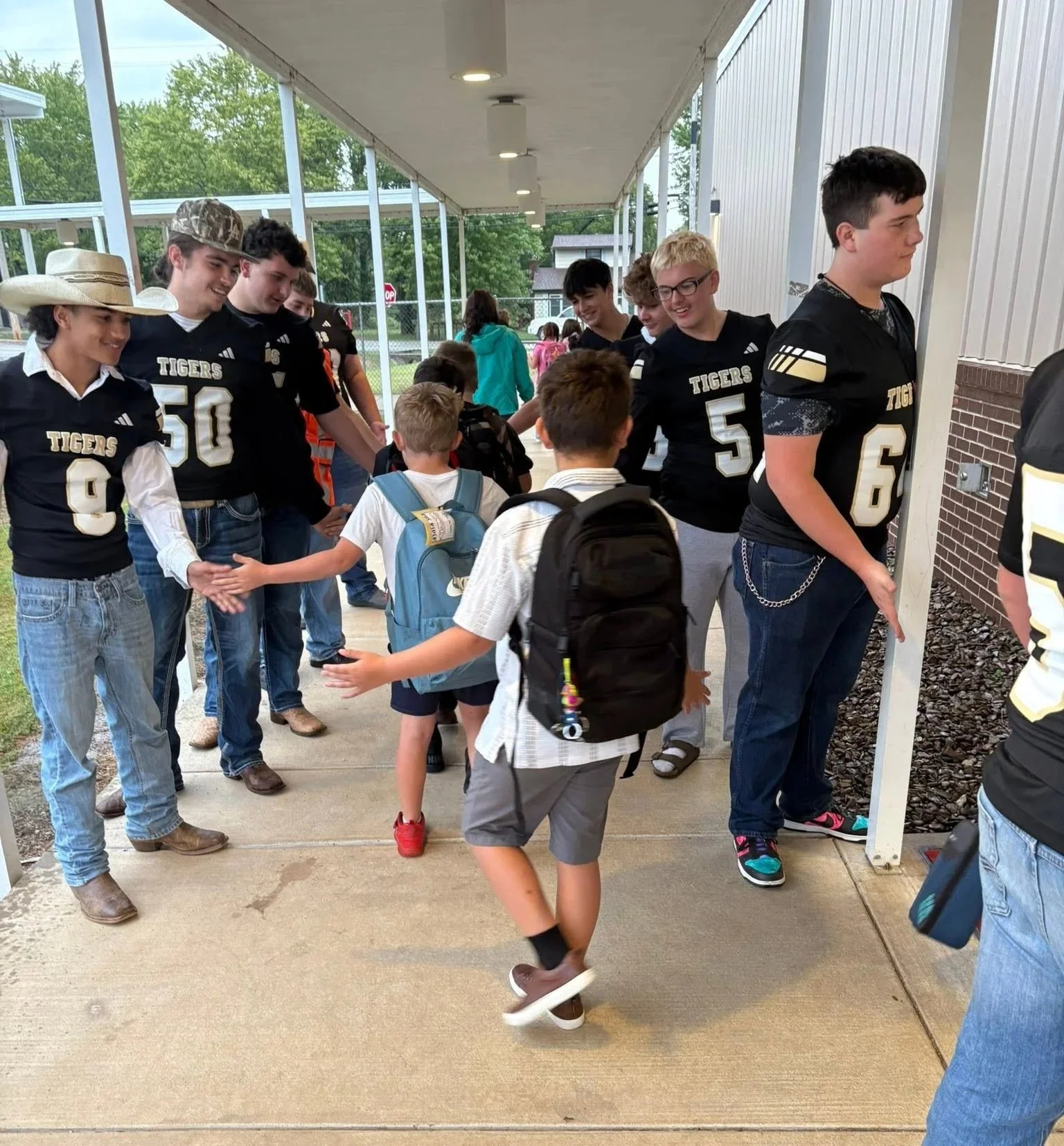
The players may occupy the field, but the band, cheerleaders and other students make Friday night their own. Friday nights remain one place that draws students and families from across the community.
“A lot of them have grown up in the area,” Mabry said. “They may not have anybody that’s even related to them on the field. But their neighbor kid is.”
Keeping the Stories
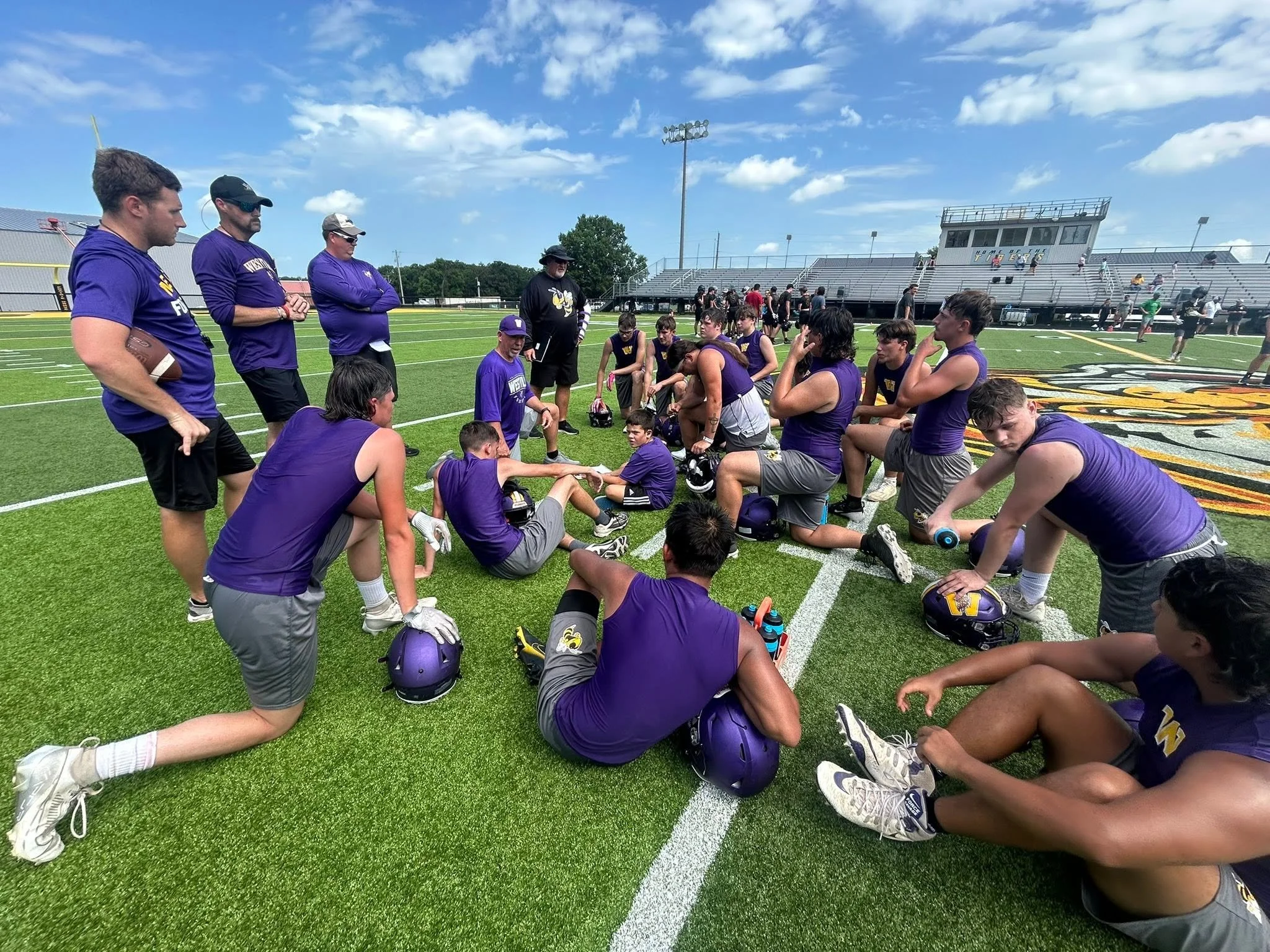
In Westville, Okla., assistant football coach Brendal Rector makes sure Friday night memories aren’t lost to time.
Rector was a teenager when his curiosity about old football records sent him searching for Westville’s past. The work has taken him through old yearbooks, census records, newspaper archives and hours scrolling through microfilm. He has documented every Westville High School game from the program’s beginnings in 1924 to today.
Through years of tracing former players and coaches, Rector has built relationships with families across the country, sometimes giving them pieces of their own family history they didn’t know existed.
“I called one guy and said, ‘Hey, your dad was head coach in 1950,’” Rector said. “He had no clue that his dad coached at Westville. Zero clue.”
While researching Westville’s first homecoming queen, he tracked down her daughter in Oregon and shared a photograph of her mother that she had never seen.
Rector understands what such a discovery can mean.
“My father passed away when I was 18,” he said. “If somebody could share something with me that I had never seen before, that would be really cool.”
Sometimes those discoveries lead people back to Westville.
“We’ve been in the middle of a game and somebody on the headset said, ‘Who’s this 80-year-old lady sitting on the front row? I’ve never seen her,’” Rector said. “I’m like, ‘Oh, I know her. She came to visit with me.’
“The best part about this, to me, is I have connections with people all over the country that our only connection is that somehow their family was a Westville Yellow Jacket and I’m a Yellow Jacket,” Rector said.
For Rector, the impulse to preserve those connections is the same one that keeps him coaching in the town where he grew up.
“This place raised me,” he said. “Without those people, then where am I?”
Taking Their Place
The players on the field now may not understand that yet.
During Rodney Selph’s second stint as head coach at West Fork, a former player from the school’s 2010 state semifinal team was passing through town, saw that people were in the weight room and decided to stop and say hello.
Before leaving, he asked Selph if the school still had the old jerseys.
“I said, ‘I do. You want yours?’” Selph recalled. “I went and got his jersey, and I handed it to him and he teared up.”
Then the former player told him something Selph still remembers.
“Coach, I just want you to know that the three years I played football were some of the most special times of my life.”
That old jersey carried memories of teammates and coaches, practices and Friday nights, and all the people who showed up for him along the way.
That’s what happens under the lights across the Ozarks.
Each game lasts four quarters. What surrounds it can last a lifetime.
And on a handful of Friday nights each fall, the lights illuminate something much bigger than football.